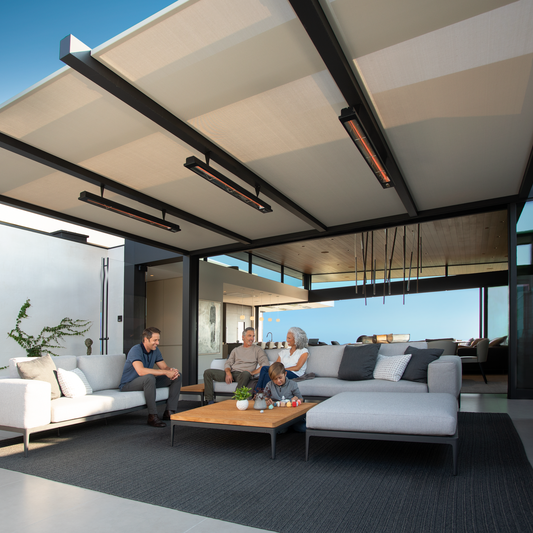
Spending time outdoors doesn’t have to end when temperatures dip, but choosing the right heating makes all the difference. Many homeowners and business owners start looking at Infratech electric heaters after realising that traditional gas options can feel bulky, unpredictable, or simply overkill for everyday use. Electric patio heating has quietly become the go-to choice for people who want consistent warmth without fuss, fumes, or constant adjustments.
Electric heaters work differently than most people expect. Instead of heating the air around you, they focus on warming people and surfaces directly. That’s why patios with electric heating tend to feel comfortable faster, even when there’s a breeze. This direct approach makes them especially appealing for spaces where airflow is unavoidable, like open terraces, balconies, or partially covered outdoor areas.
How Electric Patio Heaters Actually Heat A Space
One of the most common misconceptions is that all outdoor heaters perform the same job. In reality, electric heaters rely on infrared technology, which behaves more like sunlight than hot air. You don’t have to wait for the space to “warm up.” When the heater turns on, you feel it almost immediately.
This style of heating brings a few practical advantages:
● Less heat loss due to wind
● More predictable comfort levels
● No fuel storage or refilling
● Lower noise compared to gas systems
For restaurants or households that use their outdoor space regularly, this consistency matters more than raw heat output numbers.
Power Output And Placement Matter More Than Size
A common mistake is choosing a heater based solely on wattage or physical size. Higher wattage doesn’t automatically mean better comfort if the heater is poorly placed. Ceiling height, mounting angle, and coverage area all play a role in how effective the warmth feels.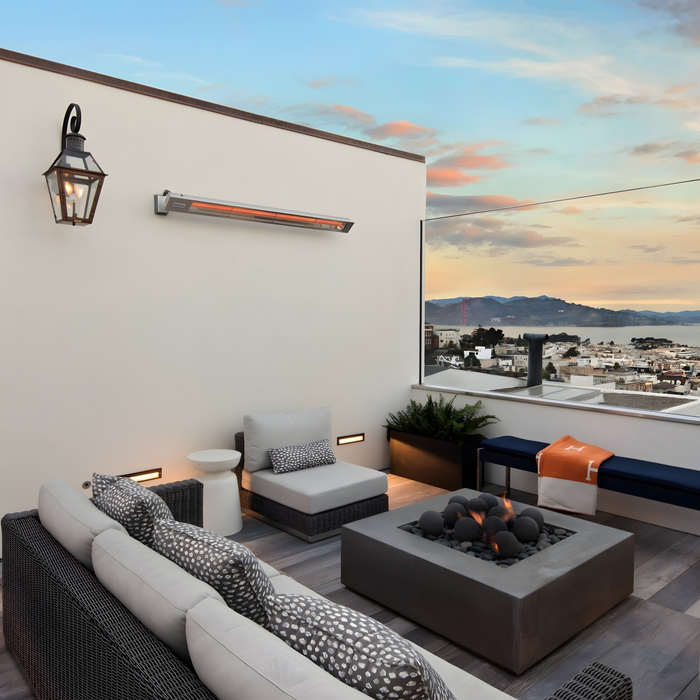
Wall and ceiling mounted options tend to work best when installed with intention. A well-positioned electric heater can cover a seating area evenly without blasting unnecessary heat into empty corners. That’s why planning matters just as much as the heater itself.
Ask practical questions before deciding:
● Is the patio fully open or partially enclosed
● How high is the mounting surface
● Will people be seated or standing
● Is the area used occasionally or every evening
These details shape how well the heating performs in real life.
Control Options Can Change How You Use Your Patio
Heating that’s difficult to manage often ends up unused. One advantage of modern electric systems is flexibility in control. Timers, dimmers, and zone-based controls allow you to fine-tune warmth depending on the time of day or number of people present.
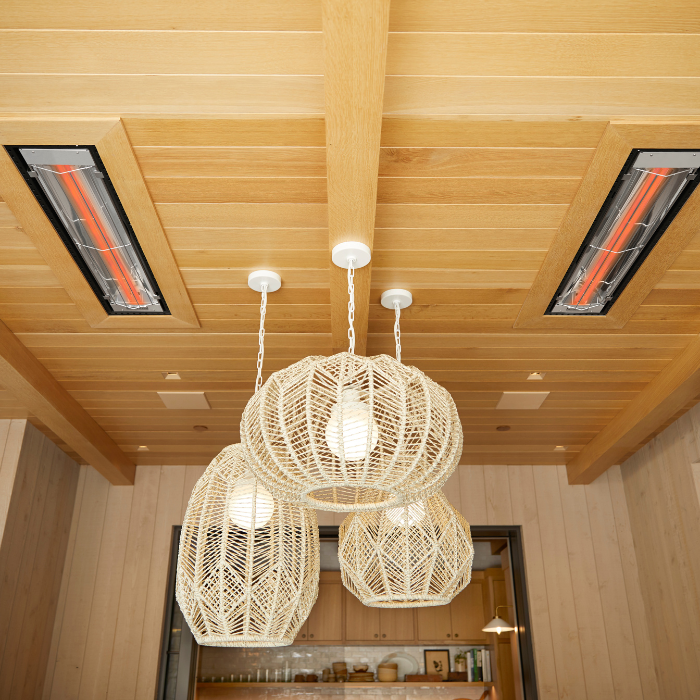
This is especially useful for shared or commercial spaces. Instead of turning everything on full power, you can warm only the areas in use. It’s quieter, more efficient, and avoids that “too hot, then too cold” cycle many people associate with outdoor heaters.
Plus, smarter controls often mean less energy waste, which becomes noticeable over months of regular use.
Long Term Reliability Is Often Overlooked
Patio heaters live outdoors, which means exposure to moisture, temperature changes, and occasional neglect. Electric heaters built for outdoor use are designed with this in mind, using durable materials that hold up season after season.
When replacement or maintenance is needed, access to compatible components becomes important. This is where understanding availability of Infratech electric heaters parts and accessories makes a difference. Systems designed with longevity in mind allow individual components to be replaced rather than swapping out the entire unit.
From a practical standpoint, that saves time, cost, and frustration down the road.
Electric Heating Works For More Than Just Homes
While many people associate electric patio heating with residential spaces, it’s become a staple for cafés, hotels, and hospitality venues. Quiet operation, consistent output, and minimal visual clutter all matter when creating an inviting atmosphere for guests.
Because electric heaters don’t rely on open flames or gas lines, they’re often easier to integrate into modern designs. This flexibility allows designers and property owners to prioritise layout and comfort without compromising safety or aesthetics.
Safety And Simplicity Go Hand In Hand
Electric heaters remove many of the risks associated with gas systems. No combustion means no fumes, no pilot lights, and no risk of gas leaks. That alone gives peace of mind, especially in enclosed or semi-enclosed spaces.
Basic safety still matters, of course. Proper installation, appropriate clearances, and weather-rated components ensure the system performs as intended. Once installed correctly, ongoing upkeep tends to be minimal compared to other heating options.
Choosing What Fits Your Space And Routine
At the end of the day, the best patio heater isn’t the most powerful or the most expensive. It’s the one that fits how you actually use your space. Electric heating shines when reliability, comfort, and ease of use are priorities.
Whether the goal is casual family evenings outdoors or extending usable hours for a business, electric patio heating offers a practical solution that feels more natural than people expect. Exploring different configurations and learning how systems work together helps ensure the choice you make continues to feel right long after installation.
If you’re weighing options or planning improvements, taking time to understand how electric patio heating works can make the difference between a feature you admire and one you truly use.


No comments:
Post a Comment